What Happens When a Car Reaches the End of the Road?
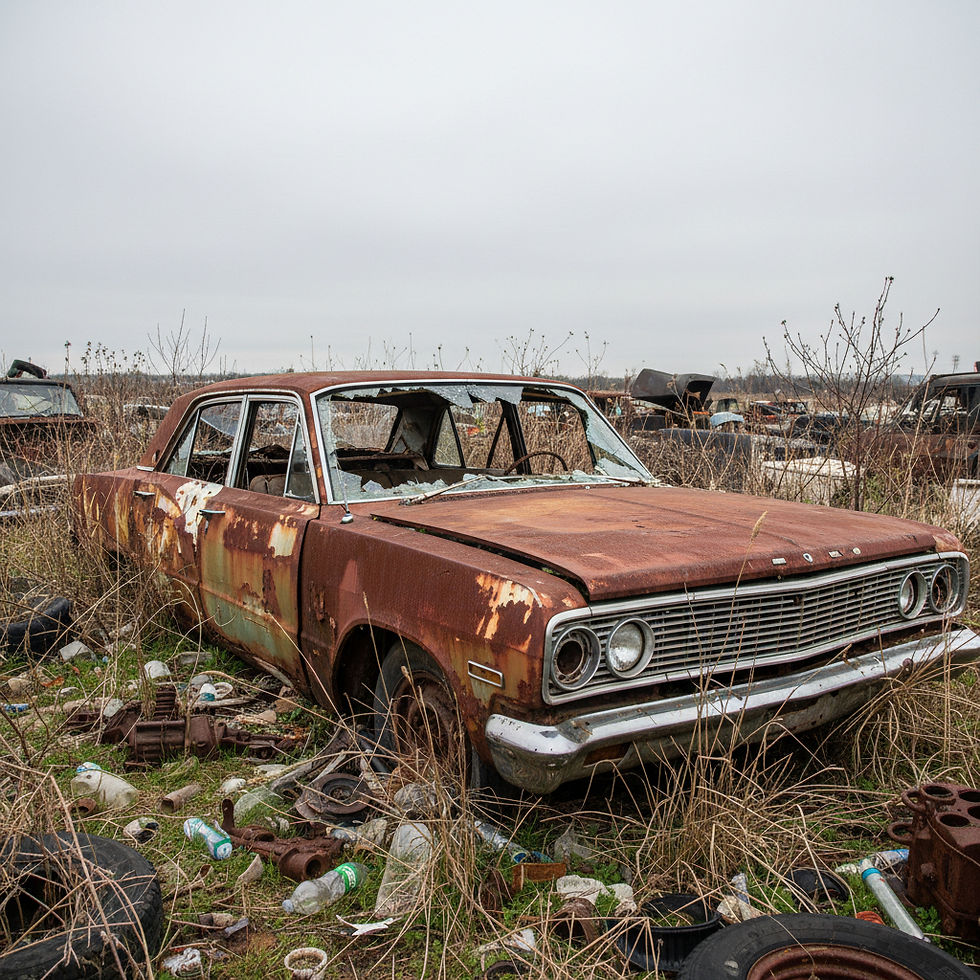
Every car has a useful life. Some vehicles stay on the road for many years. Others reach the end sooner because of accidents, rust, high mileage, or costly repairs. When an old car becomes unsafe or too expensive to fix, owners need to decide what to do next.
For many drivers, keeping a dead or damaged vehicle only creates more problems. It takes up space and may continue losing value. For Calgary residents, junk car removal in Calgary, AB can provide a practical way to deal with a vehicle that has reached the end of its useful life.
How Do You Know a Car Has Reached the End of Its Life?
A car does not always stop working overnight. In many cases, the warning signs appear slowly.
The engine may need frequent repairs. The transmission may begin to fail. Rust can spread across the body or underneath the vehicle. Electrical problems may also become common. This is when junk car removal becomes a practical option for many owners. At this point, the cost of keeping the car running can become difficult to justify.
Repair Costs Keep Growing
One major warning sign is a rising repair bill. Replacing an engine or transmission can cost thousands of dollars. Older cars may also need brakes, suspension parts, exhaust repairs, and other work.
When repair costs come close to the vehicle's value, junk car removal may make more financial sense. Instead of spending more money on an ageing car, the owner can move on.
Safety Becomes a Concern
Safety is another important factor. Serious rust can weaken parts of a vehicle's structure. Worn steering, brakes, or suspension can also make driving risky.
A vehicle that is no longer safe should not remain on the road. Professional junk car removal gives owners a simple option when repairs are no longer practical.
What Happens After You Decide to Remove the Car?
An end-of-life vehicle still contains useful materials. It does not simply become waste. Many parts and metals can be recovered, reused, or recycled.
The first step is usually arranging junk car removal with a vehicle buyer or removal service. Details such as the make, model, year, condition, and location of the car may be requested. This information can help determine its value and towing needs.
The Vehicle Is Picked Up
A non-running car can be difficult to move without proper equipment. A towing service can safely load the vehicle and transport it from a driveway, garage, parking area, or other accessible location.
This makes junk car removal useful for cars with dead batteries, damaged engines, flat tyres, or other major problems. Owners do not need to repair the vehicle just to move it.
Useful Car Parts May Get Another Life
Once the vehicle reaches an auto recycling facility, reusable parts may be identified. Depending on their condition, items such as alternators, starters, wheels, mirrors, doors, and some engine components may still be useful.
Reusing parts can extend the value of materials already produced. This is one reason junk car removal is part of the larger automotive recycling process.
Fluids and Hazardous Materials Need Proper Handling
Old vehicles contain more than metal. They may hold engine oil, coolant, fuel, transmission fluid, and other substances. Batteries and some electronic parts also require careful handling.
These materials should not leak into soil or drainage systems. Responsible junk car removal helps move unwanted vehicles into a process where fluids and other materials can be handled properly.
The Vehicle Can Be Recycled
After useful components are removed, much of the remaining vehicle can be processed for recycling. Cars contain steel, aluminium, copper, and other valuable materials.
Metal recycling reduces waste and allows recovered materials to be used again. Instead of leaving an old car to rust for years, junk car removal can help return these resources to the recycling system.
Recycling Helps Reduce Automotive Waste
Recycling does not make the environmental impact of a vehicle disappear. However, recovering usable materials can reduce the amount of automotive waste that requires disposal.
It also means some materials can stay in use longer. For owners with vehicles that cannot reasonably return to the road, junk car removal provides a more responsible option than simply abandoning them.
Why Keeping a Dead Car Can Become a Problem
An unused car may appear harmless, but problems can develop over time. Tyres lose air, batteries fail, and rust continues to spread. Fluids may also begin leaking as hoses, seals, and other parts age.
The vehicle can take up valuable driveway, garage, or parking space. In these cases, arranging junk car removal can clear the property while dealing with the unwanted vehicle in a practical way.
What Should You Do Before the Vehicle Leaves?
Before pickup, check the car carefully for personal items. Look inside the glove box, centre console, door pockets, trunk, and under the seats.
Owners should also make sure they understand the required ownership and vehicle-transfer steps. Requirements can vary depending on the situation, so checking the relevant Alberta requirements before completing the transaction is sensible.
A reliable junk car removal provider should also explain its pickup process clearly before the vehicle is taken away.
Conclusion
A car reaching the end of the road does not mean everything in it has lost its value. Reusable parts and recyclable metals can continue serving a purpose even when the vehicle itself can no longer be driven.
For owners considering junk car removal in Calgary, AB, choosing a professional service can make the process easier. Junk car removal can help clear unwanted vehicles, avoid further repair costs, and support responsible automotive recycling. Eagle Cash For Cars offers Calgary vehicle owners a practical option for dealing with old, damaged, non-running, or unwanted cars when it is finally time to say goodbye.

Comments